Understanding emotional unavailability, attachment styles, and why we sometimes find ourselves repeating the same relationship patterns.
By Dr. Vanessa Milagros, PhD, LMHC | Licensed Mental Health Therapist & Relationship Expert
Have you ever looked back at your dating history and realized that, somehow, you keep ending up in the same relationship with a different person?
Maybe you find yourself attracted to people who are emotionally unavailable. Maybe you're always the one initiating conversations, making plans, asking for reassurance, or trying to figure out where you stand. Or maybe things start off great, but the moment you begin developing deeper feelings, the other person starts pulling away.
And there you are again, wondering what happened.
One of the questions I think we need to talk about more is this: Why do we sometimes become so emotionally invested in people who cannot give us the type of relationship we're looking for?
Because while it's easy to say, "Just stop dating emotionally unavailable people," understanding why we're drawn to certain relationship dynamics is a little more complicated than that.
Let's talk about it.
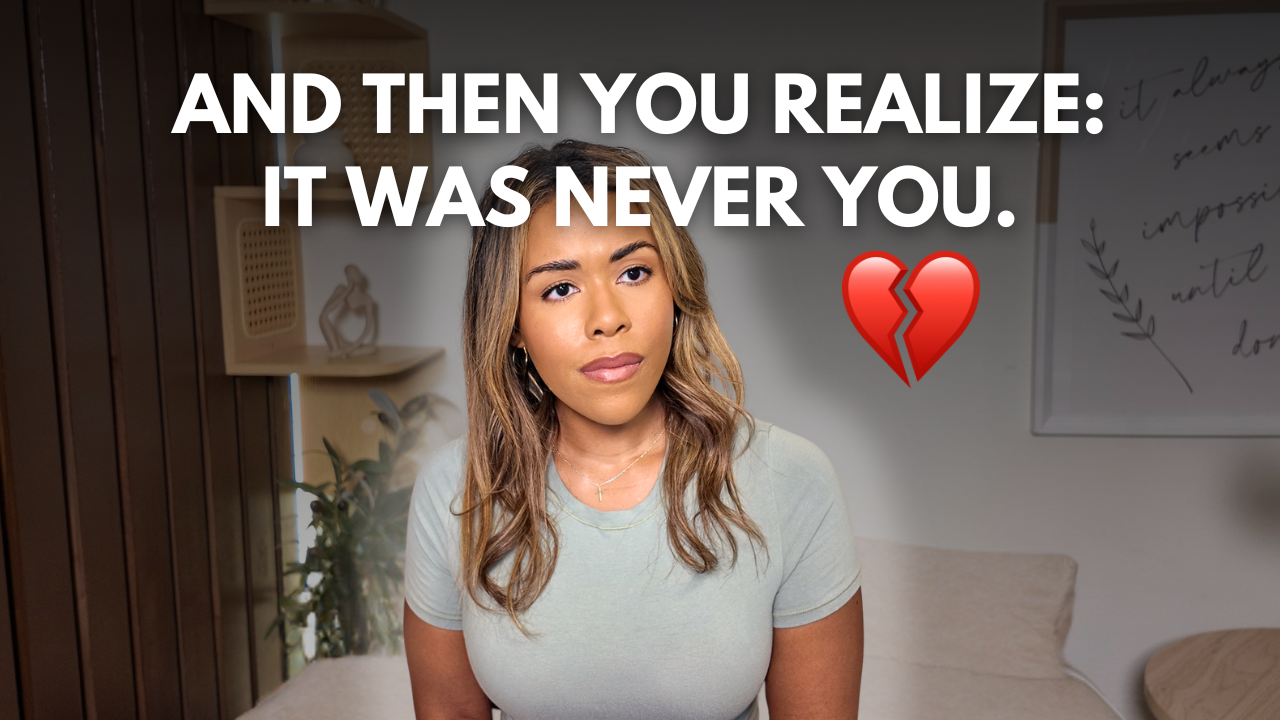
More of a visual learner?
I break all of this down in my latest YouTube video "Why You Keep Choosing People Who Can't Love You Back” — watch it here.
Why Am I Attracted to Emotionally Unavailable People?
First, being attracted to someone who is emotionally unavailable doesn't automatically mean there's something wrong with you.
Attraction is influenced by many things, including our experiences, relationship expectations, attachment patterns, personal values, and the emotional connections we've developed throughout our lives.
Sometimes, we're attracted to people because they feel familiar.
And here's where things get interesting.
Familiarity doesn't always mean something is healthy for us. It simply means we've experienced something similar before.
For example, if you grew up in an environment where affection was inconsistent, emotional needs weren't always acknowledged, or you felt like you had to work for someone's attention, you may have learned to associate closeness with uncertainty.
That doesn't mean everyone who experienced these things will develop unhealthy relationship patterns. But for some people, those early experiences can influence what feels familiar in adulthood.
You might find yourself drawn to someone who gives you just enough attention to keep you interested but not enough consistency to help you feel secure.
And instead of questioning whether this person can meet your emotional needs, you start questioning what you need to do differently to get them to choose you.
Sound familiar?
How Attachment Styles Can Influence Your Dating Patterns
As a relationship therapist, attachment styles are something I talk about frequently because they can help us understand how we experience emotional closeness, vulnerability, and connection.
Your attachment style doesn't determine your entire relationship future, but it can offer insight into certain patterns.
Anxious Attachment and Emotionally Unavailable Partners
People with anxious attachment tendencies may experience heightened sensitivity to changes in communication, emotional distance, or uncertainty within relationships.
For example, imagine you're dating someone who was initially consistent with texting, making plans, and showing interest.
Then, suddenly, things change.
Their responses become shorter. They stop initiating conversations. They seem less emotionally available.
Instead of recognizing this change as information about the relationship, you may become increasingly focused on restoring the connection.
You might text more frequently, seek reassurance, overanalyze conversations, or wonder whether you've done something wrong.
And the more distant the other person becomes, the more emotionally invested you feel.
But here's something I want you to consider.
Are you becoming more attached to the person, or are you becoming more preoccupied with trying to regain the connection you once had?
Avoidant Attachment and Emotional Distance
People with avoidant attachment tendencies may struggle with emotional vulnerability, depending on their experiences and the relationship.
Some value independence so strongly that emotional closeness can begin to feel overwhelming.
Others may genuinely want a relationship but find themselves pulling away when expectations around intimacy and commitment increase.
When someone with anxious tendencies and someone with avoidant tendencies enter a relationship, they may experience what's commonly described as an anxious-avoidant dynamic.
One person seeks reassurance and closeness while the other responds to emotional pressure by creating distance.
This can become a frustrating cycle for both people.
However, I want to emphasize that attachment styles are not diagnoses, and being avoidantly attached doesn't automatically make someone incapable of loving another person.
The more important question is whether both people recognize their patterns and are willing to work toward a healthier relationship.
Sometimes You're Attached to the Potential, Not the Relationship
Let's talk about another pattern I see people struggle with.
Falling in love with someone's potential.
You meet someone who is funny, attractive, intelligent, and seemingly compatible with you.
You have amazing conversations. You connect emotionally. Maybe they even tell you they want something serious eventually.
But their behavior doesn't consistently reflect the type of relationship you're hoping to build.
Instead of evaluating the relationship based on what's happening right now, you begin focusing on what it could become.
You tell yourself things like:
"They've just been hurt before."
"Once they trust me, they'll open up."
"I know they care about me. They're just not good at expressing it."
"If I'm patient enough, things will change."
And listen, people absolutely can grow and change!
But there's a difference between supporting someone's growth and building an entire relationship around the hope that they'll eventually become emotionally available.
You cannot have a relationship with someone's potential. You have to consider who they are and what they're capable of offering you right now.
That doesn't mean you need a perfect partner.
It means you deserve to make informed decisions about the relationship you're actually experiencing.
Why Does Emotional Unavailability Sometimes Feel Like Chemistry?
Have you ever noticed how intense certain relationships feel when you're unsure where you stand?
You might experience excitement when they text, anxiety when they don't, and relief when they finally give you the attention you've been waiting for.
That emotional back-and-forth can sometimes be mistaken for chemistry.
One psychological concept that can help explain this is intermittent reinforcement.
When positive experiences happen unpredictably, people may become especially focused on when the next positive experience will occur.
In relationships, inconsistent affection or attention can sometimes contribute to this pattern.
For example, someone may be affectionate and attentive one weekend, then emotionally distant for several days.
When they eventually reconnect, the relief can feel incredibly rewarding.
Over time, you may become more focused on receiving those moments of connection than on evaluating whether the relationship is consistently meeting your needs.
Now, this doesn't mean every inconsistent relationship involves manipulation or intentional behavior.
Sometimes people are inconsistent because of stress, emotional limitations, incompatible expectations, or their own unresolved difficulties.
But regardless of the reason, it's important to recognize how that inconsistency affects you.
Because emotional intensity and emotional intimacy are not the same thing.
Signs You May Be Repeating a Pattern With Emotionally Unavailable Partners
If you're wondering whether this applies to you, here are a few things worth reflecting on.
You find yourself doing most of the emotional work. You're usually the person initiating difficult conversations, checking in, and trying to maintain closeness.
You frequently feel uncertain about where you stand. Rather than experiencing consistency, you spend a significant amount of time interpreting someone's behavior.
You minimize your own needs to maintain the relationship. You convince yourself that wanting communication, affection, or commitment is asking for too much.
You become more invested when someone pulls away. Their distance makes you want to work harder for their attention rather than reconsider whether the relationship is meeting your needs.
You repeatedly choose partners who tell you they aren't ready for commitment. Even when someone communicates their limitations, you hope the relationship will eventually become something different.
Recognizing one of these behaviors doesn't automatically mean you're in an unhealthy relationship.
What matters is whether these experiences are recurring, how they're affecting your emotional well-being, and whether there's room for meaningful change.
How to Stop Choosing Emotionally Unavailable Partners
So, how do you begin changing this pattern?
I think the first step is becoming more curious about your relationship choices without immediately judging yourself for them.
1. Pay Attention to Patterns, Not Just Attraction
Attraction is important, but it shouldn't be the only thing guiding your decisions.
Ask yourself whether the people you're interested in consistently demonstrate emotional availability, communication, and mutual effort.
Someone can be attractive, interesting, and fun to spend time with while still being incompatible with what you want.
2. Stop Confusing Inconsistency With a Challenge to Overcome
You don't need to convince someone to be emotionally available.
Relationships require effort, but that effort should involve both people.
If you consistently feel like you're auditioning for someone's affection, it's worth asking whether you're pursuing a relationship or trying to prove that you're worthy of being chosen.
3. Get Comfortable With Healthy Consistency
Sometimes, when we're accustomed to emotionally unpredictable relationships, a consistent partner can initially feel unfamiliar.
You may even interpret the absence of emotional highs and lows as a lack of excitement.
But a relationship doesn't need constant uncertainty to be meaningful.
Give yourself the opportunity to experience connection that feels steady, respectful, and emotionally safe.
4. Practice Communicating Your Needs Early
You don't have to wait until you're deeply emotionally invested to discuss what you're looking for.
If you want a committed relationship, it's okay to communicate that.
If consistency and emotional openness matter to you, those are reasonable things to discuss.
The goal isn't to pressure someone into meeting your expectations. It's to determine whether your expectations and their relationship goals are compatible.
5. Be Willing to Walk Away From Potential
This is often one of the hardest parts.
You can genuinely care about someone and still recognize that the relationship isn't meeting your needs.
You can understand why someone struggles with emotional availability without accepting an ongoing dynamic that leaves you feeling disconnected.
And you can have compassion for another person's experiences while still maintaining boundaries around your own emotional well-being.
Can an Emotionally Unavailable Person Change?
Yes, people can develop healthier ways of communicating, connecting, and experiencing emotional intimacy.
Attachment patterns can change over time, particularly through self-awareness, supportive relationships, intentional behavioral changes, and, when appropriate, therapy.
But change requires participation from the person who needs to make those changes.
You cannot do someone else's emotional work for them.
And while it's possible for a relationship to improve, it's also important to recognize when you're investing more energy into someone's potential than they're investing into their own growth.
Final Thoughts: You Deserve More Than the Possibility of Being Loved
If you keep finding yourself attracted to emotionally unavailable people, I encourage you to approach that pattern with curiosity rather than shame.
Ask yourself what feels familiar about these relationships.
Consider whether you're choosing partners based on who they are or who you're hoping they'll become.
And most importantly, pay attention to how you feel within the relationship.
Do you feel emotionally connected? Are your needs being considered? Is there mutual effort? Can you communicate openly without constantly fearing that the other person will withdraw?
Healthy relationships aren't about never experiencing conflict, uncertainty, or difficult conversations.
They're about two people who are willing to show up, communicate, and work toward a connection that supports both individuals.
Remember: Being able to understand someone's emotional unavailability doesn't mean you have to build a relationship around it.
And I'd love to hear your thoughts.
Have you ever realized you were more attached to someone's potential than the relationship you were actually experiencing?
Let's Continue This Conversation
If this topic resonates with you, I also discuss attachment styles, emotionally unavailable partners, and relationship patterns on my YouTube channel.
Watch Dr. Vanessa PhD on YouTube
You can also explore my video on why avoidant partners rarely change and when they actually do, or watch how to stop self-sabotaging good relationships.
Sometimes understanding the pattern is the beginning of making a different choice.
Dr. Vanessa Milagros, PhD, LMHC, is a licensed mental health therapist and relationship expert. She is the founder of Exhale Counseling Center, LLC, where she provides telehealth therapy services to Florida residents. Her work focuses on relationships, attachment styles, anxiety, and emotional well-being.
This article is for educational purposes and is not a substitute for individualized mental health care.
Looking for additional support?
Check out my YouTube channel for real-life strategies you can start using today.
Start Online Therapy with me!