By Dr. Vanessa Milagros, PhD, LMHC | Licensed Mental Health Therapist & Relationship Expert
When we think about manipulation in relationships, we usually picture someone lying, controlling their partner, or deliberately making them feel guilty.
But manipulation isn't always that obvious.
Sometimes it sounds like concern. Other times, it looks like affection, disappointment, or someone simply trying to explain their side of a disagreement.
And that's what makes certain relationship dynamics so difficult to recognize.
I've talked about this quite a bit in my work as a relationship therapist. Not every hurtful interaction is manipulation, and not everyone who communicates poorly is intentionally trying to control someone.
Still, there are patterns worth paying attention to, especially when you repeatedly leave conversations questioning yourself, feeling guilty, or agreeing to things you weren't comfortable with in the first place.
Here are ten subtle manipulation tactics that can easily go unnoticed.
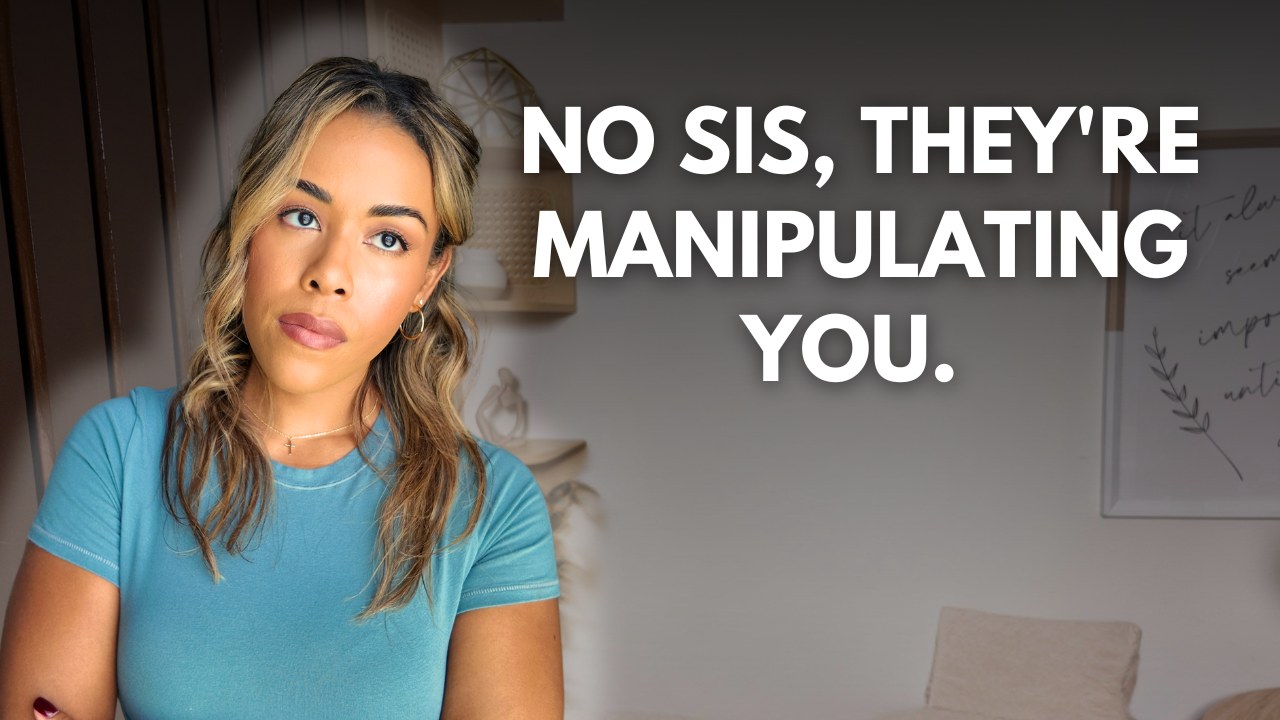
More of a visual learner?
I break all of this down in my latest YouTube video “10 Manipulation Tactics That Don't Look Like Manipulation” — watch it here.
1. Making You Feel Guilty for Having Boundaries
You tell someone you need space, and their response is, "I guess I'm just not important to you anymore."
Suddenly, instead of discussing your boundary, you're reassuring them that you care.
It's one thing for someone to feel disappointed. It's another when their disappointment becomes a way to pressure you into changing your decision.
2. Using Concern to Control Your Decisions
"I'm only saying this because I care about you."
That sounds loving, right?
And sometimes it genuinely is.

But when someone repeatedly uses concern to dictate who you spend time with, what you wear, or which decisions you're allowed to make, it's worth looking more closely.
Caring about someone doesn't give you ownership over their choices.
3. Turning Every Conversation Into Their Hurt Feelings
You bring up something that bothered you, and somehow the entire conversation becomes about how hurt they are that you brought it up.
Now you're apologizing, comforting them, and the original issue never gets addressed.
Both people's feelings matter. But if your concerns consistently disappear because the other person becomes upset, that pattern deserves attention.
4. Giving Affection Only When You Do What They Want
Maybe they're warm and affectionate when you agree with them, but noticeably distant when you don't.
Over time, you might start avoiding disagreements because you don't want to lose that connection.
Affection shouldn't feel like something you have to earn by abandoning your own opinions.
5. Making You Question What Actually Happened
"You’re remembering it wrong."
"That never happened."
"You're being dramatic."
Disagreeing about an event doesn't automatically mean someone is gaslighting you. Memory isn't perfect, and two people can genuinely remember things differently.
But repeatedly denying clear events, dismissing evidence, or undermining someone's confidence in their perception can become a form of psychological manipulation.
6. Using the Silent Treatment as Punishment
There's a difference between needing time to calm down and intentionally withholding communication to punish someone.
Taking space can be healthy when it's communicated respectfully.
But refusing to speak to someone until they apologize, agree with you, or give in can create an unhealthy power dynamic.
The difference often comes down to how the silence is being used.
7. Making You Feel Responsible for Their Emotions
"You know how upset I get when you do that."
Before long, you're monitoring everything you say and do because you don't want to trigger another reaction.
We should care about how our behavior affects other people. But we cannot take complete responsibility for managing someone else's emotional responses.
That's a responsibility each person has to participate in.
8. Bringing Up Everything They've Done for You
After doing something thoughtful, they later remind you of it whenever you disagree.
"After everything I've done for you, this is how you treat me?"
Kindness becomes complicated when it's repeatedly used as leverage.
Healthy relationships involve reciprocity, but they shouldn't operate like a running list of debts you owe each other.
9. Disguising Hurtful Comments as Jokes
"Relax, I'm just kidding."
Maybe they make an embarrassing comment about you in front of other people. When you explain that it hurt your feelings, you're told you're too sensitive.
Humor is subjective, and people sometimes make jokes that don't land well.
But if someone repeatedly uses humor to insult you and then dismisses your reaction, it's worth asking why your discomfort isn't being taken seriously.
10. Making You Feel Like You Have to Prove Your Love
"If you really loved me, you would..."
I think this is one people recognize but sometimes struggle to challenge, especially when they're afraid of losing the relationship.
Love can involve compromise, sacrifice, and showing up for each other.
But it shouldn't require you to repeatedly disregard your boundaries or values just to prove that your feelings are genuine.
So, How Do You Know If You're Being Manipulated?
Here's what I want you to remember.
A single uncomfortable conversation doesn't automatically mean you're dealing with a manipulative person.

People become defensive. They communicate poorly. They make mistakes.
What matters is the pattern.
Can you express concerns without being punished? Can you disagree without feeling pressured to surrender your boundaries? Does the other person take accountability when their behavior hurts you?
And just as importantly, are you able to do those things for them?
Relationships aren't always easy, but you should be able to have difficult conversations without consistently feeling confused, intimidated, or responsible for keeping the peace at your own expense.
Sometimes the most important thing you can do is stop focusing exclusively on what someone says and start paying attention to what repeatedly happens.
Remember: You don't have to prove that someone intended to manipulate you before deciding that a relationship dynamic isn't healthy for you.
I'm curious: Which of these behaviors do you think people overlook the most in relationships?
Watch the Full Conversation on YouTube
I go deeper into this topic in my video, 10 Manipulation Tactics That Don't Look Like Manipulation.
If you've ever struggled to recognize subtle manipulation in relationships, I think you'll find this conversation worth watching.
And I'd love to hear your thoughts in the comments.
Dr. Vanessa Milagros, PhD, LMHC, is a licensed mental health therapist and relationship expert. She is the founder of Exhale Counseling Center, LLC, where she provides telehealth therapy services to Florida residents. Her work focuses on relationships, attachment styles, anxiety, and emotional well-being.
This article is for educational purposes and is not a substitute for individualized mental health care.
Looking for additional support?
Check out my YouTube channel for real-life strategies you can start using today.
Start Online Therapy with me!